Snow Blower SOS: DIY Repair and Maintenance Guide
Winter can be a beatiful season, with its glistening
snow-covered landscapes and the joy of building snowmen. But for homeowners, it also means dealing with the task of
snow removal.
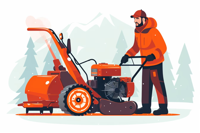
Snow blowers are a popular choice for efficiently clearing
snow from driveways and sidewalks. However, like any mechanical device, they can break down or require regular maintenance. In this DIY
repair and maintenance guide, we will explore some common issues and provide tips to keep your
snowblower running smoothly throughout the winter season.
Safety First
Before we delve into the
repair and maintenance details, it's essential to emphasize the importance of safety. Remember to always disconnect the spark plug wire before inspecting or working on your
snowblower. This precaution will prevent accidental starts and keep you safe from moving parts.
1. Starting Issues
One of the most common problems with
snow blowers is difficulty starting. If your
snowblower fails to start, check the following:
- Fuel: Ensure that you have fresh, clean fuel in the tank. Stale fuel can cause starting issues, so it's recommended to use fuel stabilizer or drain the fuel tank at the end of the season. Consider using a new carburetor for improved fuel flow.
- Spark Plug: Inspect the spark plug for signs of wear or damage. If necessary, replace it with a new one. Remember to check the spark plug gap, as specified in the snowblower's manual. Consider using a new spark plug for optimal performance.
- Ignition Switch: Check the ignition switch to ensure it is in the "on" position. Sometimes, it can get accidentally bumped or switched off.
- Primer Bulb: If your snowblower has a primer bulb, press it a few times before starting. This action helps prime the engine with fuel and aids in cold starts.
2. Engine Performance Issues
If your
snowblower starts but experiences performance issues, such as sputtering or stalling, here are some troubleshooting tips:
- Carburetor: A clogged carburetor is a common culprit for engine performance problems. Remove and clean the carburetor using carburetor cleaner. Pay attention to small ports and jets that may be obstructed by debris. Consider using a new carburetor for improved engine performance.
- Fuel Filter: Check the fuel filter for clogs or dirt. If necessary, replace it with a new one. A clean fuel filter ensures a steady fuel flow to the engine.
- Air Filter: A dirty air filter restricts air intake and can cause poor engine performance. Clean or replace the air filter according to the manufacturer's instructions.
- Spark Arrestor: If your snowblower has a spark arrestor screen, clean it regularly. A clogged spark arrestor can lead to engine performance issues.
3. Auger and Drive System Maintenance
The auger and drive system are essential components of a
snowblower. Regular maintenance will ensure their optimal performance:
- Lubrication: Lubricate the auger shaft, impeller bearings, and drive system as recommended by the manufacturer. This step prevents excessive wear and ensures smooth operation. Consider using a high-quality snowblower belt for improved performance.
- Belt and Chain Inspection: Inspect the belts and chains for signs of wear, cracks, or stretching. Replace them if necessary, following the manufacturer's guidelines. Consider using a genuine replacement belt for reliable performance.
- Skid Shoes and Scraper Blade: Check and adjust the skid shoes and scraper blade to the proper height. This adjustment prevents damage to your snowblower and effectively clears snow. Consider using genuine snow thrower slide shoes for smooth operation.
4. Storage and Seasonal Maintenance
Proper storage and seasonal maintenance are crucial to keep your
snowblower in top condition:
- Fuel System: If storing your snowblower for an extended period, drain the fuel tank or add a fuel stabilizer to prevent fuel deterioration. Follow the manufacturer's recommendations.
- Oil Change: Regularly change the oil according to the manufacturer's instructions. Fresh oil ensures proper lubrication and protects the engine.
- Spark Plug: Replace the spark plug at the beginning of each winter season for optimal performance. Consider using a new spark plug for reliable ignition.
- Cleaning: After each use, clean your snowblower thoroughly. Remove any snow or debris to prevent clogs and corrosion.
Conclusion
By following these DIY
repair and maintenance tips, you can keep your
snowblower in excellent working condition. Remember to prioritize safety and consult your
snowblower's manual for specific instructions and guidelines. With proper care, your
snowblower will be ready to tackle even the heaviest snowfalls, ensuring a stress-free winter season. Stay safe and enjoy the
snow!


Corbs - October 17, 2023
Thx for sharing this guide! Super helpful tips, def gonna try them out on my snow blower. Fingers crossed it works! 🤞🏼🌨️
Griffie - October 16, 2023
Thx for sharing this! Really needed a guide like this for my snow blower! Gonna try these tips ASAP!
O-hai-thar748 - October 15, 2023
Thx for this! My snow blower broke down last winter and I had no clue where to start. This guide is a lifesaver! Can't wait to try these tips out.