
Evan Reynolds | October 12, 2023
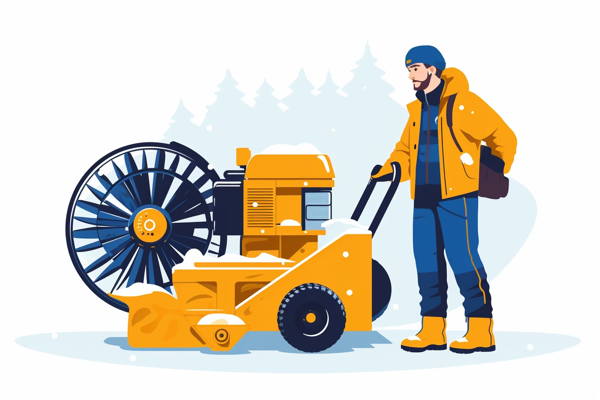
Snow Blower SOS: DIY Repair and Maintenance Tips
Winter is here, and that means it's time to gear up for snow removal season. If you're a proud owner of a snow blower, you know how essential this machine is for keeping your driveway and walkways clear of snow. But like any other equiptment, snow blowers can experience issues from time to time. That's where DIY repair and maintenance come in handy.
In this blog post, we'll explore some common snow blower problems and provide you with practical tips to tackle them on your own. From troubleshooting to regular maintenance, we've got you covered. So, grab your tools and let's dive in!
1. Troubleshooting Common Snow Blower Issues
One of the most common problems with snow blowers is difficulty starting. If you find yourself pulling the cord with no luck, it could be due to a few reasons. First, check the spark plug. Is it dirty or worn out? If so, it might need to be cleaned or replaced. Another possible culprit is stale fuel. Ensure you're using fresh gasoline mixed with the correct oil ratio. Consider using the 640084B Carburetor for Tecumseh 5HP MTD 632107A 632107 640084 640084A TORO 521 Snow Blower HSSK40 HSSK50 HS50 LH195SA, as it is a reliable replacement option.
What about the auger not turning or throwing snow properly? This could be a sign of a broken or worn-out belt. Inspect the belt for any signs of damage and replace it if necessary. The Stens 265-202 OEM Replacement Belt is a great choice for Cub Cadet snow blowers, with a length of 148.25" for optimal performance. Also, check the shear pins that connect the auger to the shaft. If they're broken, replace them immediately. Consider using the Genuine Cub Cadet Replacement Shear Pins & Cotter Pins, as they are specifically designed for snow blowers.
2. Cleaning and Lubricating for Optimal Performance
Regular cleaning and lubrication are vital for keeping your snow blower in top shape. After each use, remove any snow and ice buildup from the chute, auger, and impeller. A brush or broom will come in handy for this task. Don't forget to clear the carburetor and air filter of any debris that may have accumulated. If you need a new carburetor, consider the New Carburetor for Tecumseh 640260 640260A 640260B HM80 HM90 HM100 with Gasket, as it is a reliable replacement option.
Lubrication is another crucial step in snow blower maintenance. Use a high-quality lubricant to grease the auger shaft, impeller bearings, and any other moving parts. This will ensure smooth operation and help prevent rust and corrosion.
3. Adjusting and Replacing Worn Parts
Over time, certain parts of your snow blower may wear out and need adjustment or replacement. One such part is the scraper bar, which wears down as it scrapes against the ground. Check the condition of the scraper bar regularly and replace it if it's worn beyond a certain point. You can find a suitable replacement scraper bar for your snow blower on the market.
Another component that may require adjustment is the skid shoes. These adjustable metal plates help control the height of the snow blower, preventing it from scraping the ground too closely. Make sure the skid shoes are properly adjusted to maintain the optimal clearance. Consider using the Arnold MTD Genuine Parts Snow Thrower Slide Shoes for reliable and effective performance.
4. Winterizing Your Snow Blower
Proper winterization is crucial to ensure your snow blower starts up smoothly when you need it most. Start by draining the fuel tank or using a fuel stabilizer to prevent gasoline from becoming stale. Next, remove the spark plug and add a small amount of oil to the cylinder to prevent corrosion. Pull the starter cord a few times to distribute the oil evenly. Finally, store your snow blower in a dry and sheltered area to protect it from the elements.
5. When to Seek Professional Help
While DIY repairs and maintenance can save you time and money, there are instances when it's best to leave the job to the professionals. If you're unsure about a specific repair or if your snow blower requires extensive troubleshooting, it's always wise to consult a qualified technician. They have the expertise and specialized tools to handle complex issues effectively.
Now that you're armed with these DIY repair and maintenance tips, you're ready to tackle any snow blower problem that comes your way. Remember, regular upkeep is key to keeping your snow blower running smoothly throughout the winter season.
Do you have any additional snow blower repair or maintenance tips to share? We'd love to hear your experiences and insights in the comments below!
About the author
Evan Reynolds is a seasoned DIY enthusiast with a passion for snow blower repair and maintenance. With over 10 years of experience in fixing and maintaining snow blowers, Evan has become an expert in diagnosing and solving common issues that arise with these machines. Through his blog, he aims to share his knowledge and provide practical tips and step-by-step guides to help homeowners keep their snow blowers running smoothly during the winter season. Whether it's troubleshooting engine problems or performing routine maintenance, Evan's expertise and love for DIY projects make him the go-to person for all your snow blower repair needs.
Popular Posts
Rickshaw - October 17, 2023
Thx for sharing these tips! My snow blower broke last winter and I had no idea what to do. Will def try these out before the next storm hits!
cynda - October 16, 2023
Thx for sharing these tips! Just what I needed to fix my snow blower before the next blizzard hits. Gotta save some 💰 and DIY it! 🙌🏼
Makolyte - October 15, 2023
Great tips! I never thought about checking the spark plug or cleaning the carburetor. Will definitely try these out before the next snowstorm. Thanks!